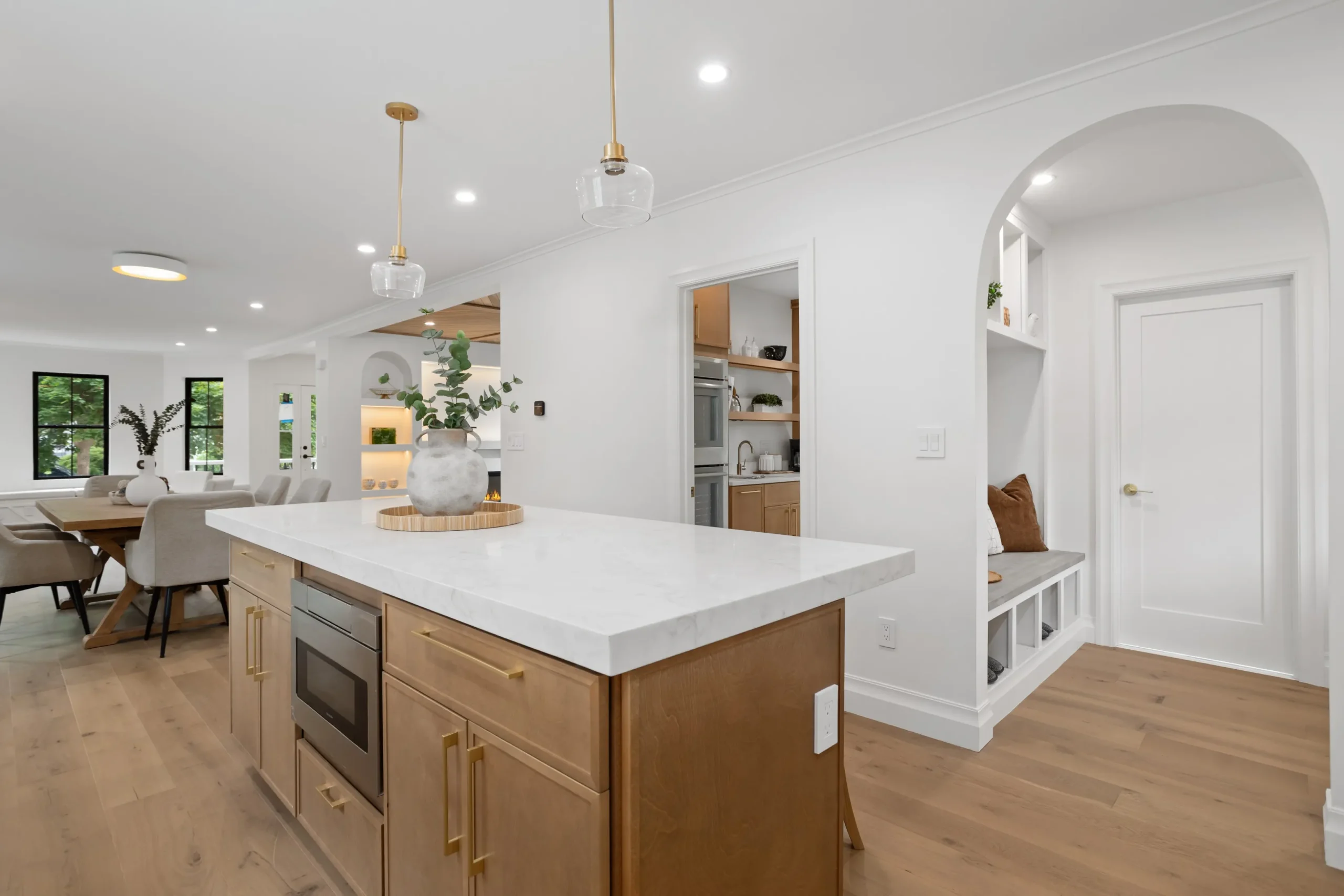
Hardwood flooring remains a timeless choice for those embarking on home renovation projects, offering a blend of classic appeal and enduring quality. Its natural beauty and resilience make it a preferred option for residential homeowners looking to elevate their living spaces, whether in the kitchen, the bathroom, or throughout the entire home.
The allure of hardwood floors lies in their versatility and the warmth they bring to interiors. Unlike other flooring types, hardwood can be refinished multiple times, allowing it to adapt to changing styles and preferences over the years. This aspect is particularly significant for homeowners who view their property as a long-term investment. A well-maintained hardwood floor not only enhances the aesthetic of a home but can also contribute to its market value.
Factors to Consider When Choosing Hardwood Flooring:
In terms of functionality, hardwood flooring offers substantial benefits. It is durable and capable of withstanding the rigors of daily life, making it suitable for high-traffic areas. Moreover, hardwood floors are known for creating a healthier living environment as they do not harbor allergens or dust mites, which is a crucial consideration for those with allergies or respiratory sensitivities.
For professional builders and developers, the selection of hardwood flooring is a testament to quality and craftsmanship. It reflects a commitment to building homes that stand the test of time, both in structure and in style. By choosing reliable trade partners who provide high-quality hardwood options, developers ensure that construction timelines are met with materials that match their dedication to excellence.
Selecting the right hardwood flooring is a critical decision in the renovation process, with various species offering different grains, colors, and hardness levels. The choice of wood species can define the character of a room and the overall ambiance of a home. Homeowners and professionals alike should consider factors such as foot traffic, exposure to moisture, and the existing decor to make an informed decision that guarantees lasting beauty and functionality.
When embarking on the journey of selecting hardwood flooring, understanding the unique characteristics of various wood species is paramount. Each species offers a distinctive blend of durability, color variation, and grain pattern, which can profoundly influence the ambiance and functionality of a room.
Durability is often measured on the Janka hardness scale, where higher numbers indicate a greater resistance to wear and dents. For high-traffic areas like living rooms and hallways, hard species such as hickory, oak, or maple are excellent choices.
Color variations in wood can range from the warm, rich tones of cherry or mahogany to the lighter hues of birch or ash. This spectrum allows homeowners and builders to select a shade that complements the interior design and desired aesthetic of a space. Keep in mind that some species, like cherry, can darken over time when exposed to sunlight, adding a dynamic element to the flooring.
Grain patterns are another critical aspect to consider. Woods like oak have pronounced, varied grains that can add depth and texture to a room, while maple provides a subtler, more uniform appearance. The choice between a prominent or minimal grain pattern will depend on whether you want the floor to be a focal point or to blend seamlessly with the overall design.
Key Considerations for Hardwood Selection:
In terms of room suitability, it's essential to consider the wood's reaction to moisture. While hardwoods are generally not recommended for bathrooms due to the high humidity levels, engineered hardwoods with a plywood base can be more stable and less susceptible to warping. For kitchens, a polyurethane-coated hardwood can provide added protection against spills and stains.
Ultimately, the selection of hardwood flooring should be a thoughtful balance between practicality and aesthetics, ensuring that the chosen species meets the demands of the environment while enhancing the beauty of the home.
When selecting the ideal wood species for hardwood flooring, oak stands out as a top contender, prized for its strength, widespread availability, and the ability to fit a multitude of design preferences. Residential homeowners embarking on kitchen, bathroom, or broader home renovation projects, as well as professional builders and developers orchestrating construction timelines, often weigh the attributes of different oak varieties to align with their unique project demands. The wood's hardness, grain patterns, and inherent coloration are pivotal in determining both its practicality and the aesthetic it will impart to the finished space.
Red oak boasts inviting warm hues and a pronounced wavy grain that introduces a touch of personality to any interior. With a Janka hardness rating of approximately 1290, it is a robust selection for areas experiencing a moderate amount of foot traffic. The wood's porous quality is particularly receptive to staining, affording a high degree of customization when it comes to finishing. Its durability and ease of adaptation to various styles have cemented red oak as a popular choice among homeowners.
Offering a contrast, white oak features a cooler color spectrum and a more refined grain pattern, creating a sleek, modern aesthetic for flooring. It ranks marginally higher in terms of hardness, with a Janka rating around 1360, indicating better resilience against impacts and wear. Additionally, white oak is more impervious to moisture, making it an excellent candidate for use in moisture-prone areas such as kitchens and bathrooms.
The inherent color of oak wood plays a significant role in setting the tone of a room.
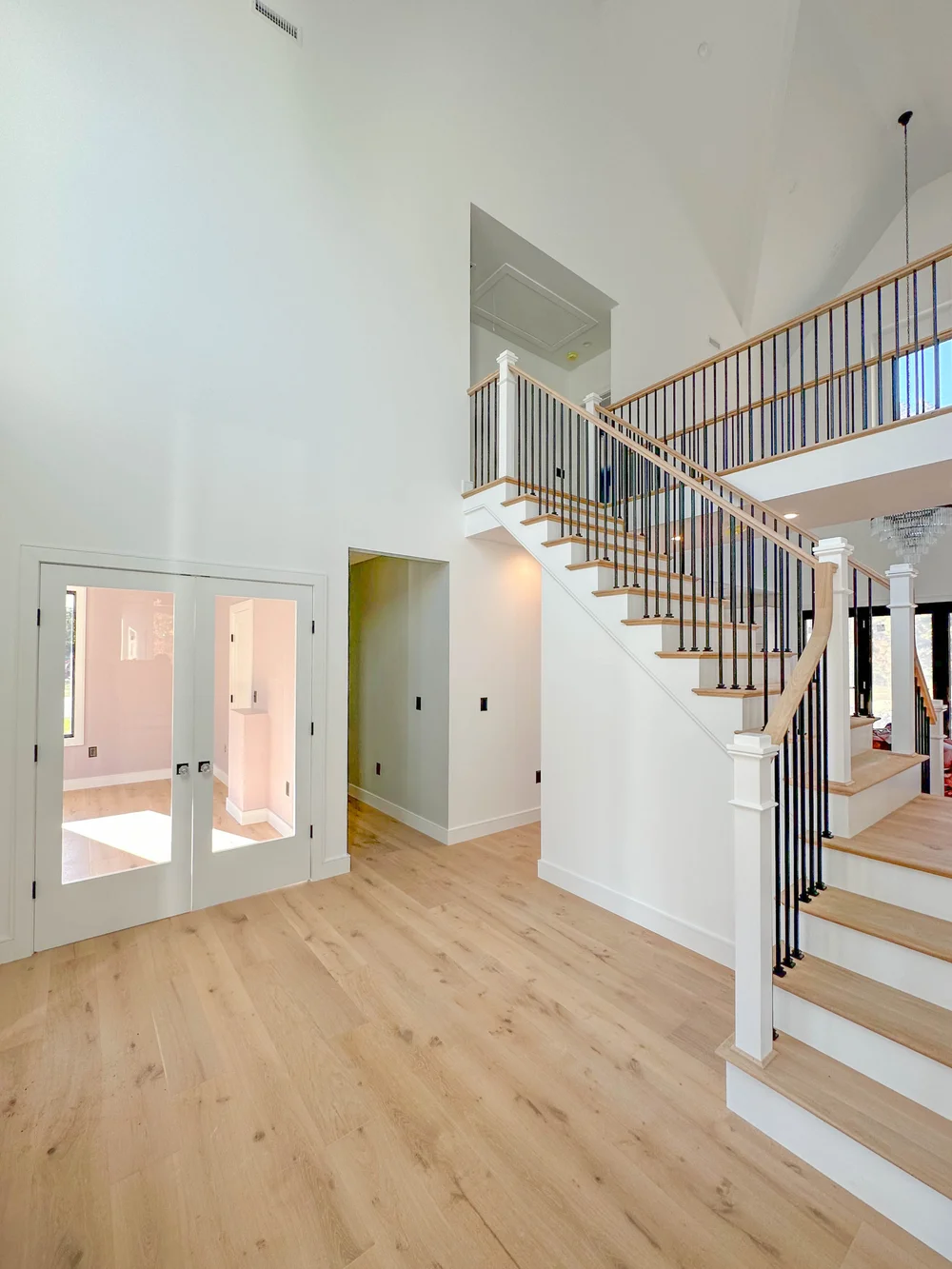
The enduring nature of hardwood floors is a key factor for consideration in both residential and commercial settings. Oak's innate robustness is a cornerstone of its longevity, with attentive care allowing it to endure for generations. The choice of finish, the lifestyle of the occupants, and the volume of foot traffic are all elements that influence the floor's lifespan. The moisture resistance of white oak and the reparability of red oak each contribute to the preservation of a long-lasting and aesthetically pleasing floor.
When selecting hardwood floors, the charm of exotic species like Brazilian Cherry and Teak is unmistakable. These woods impart a unique depth of beauty and individuality to any environment, establishing a tone of luxury and warmth. Brazilian Cherry is distinguished by its rich burgundy hue, which matures over time to offer a palette that grows with your home. Not only visually stunning, this wood also possesses an impressive hardness that can withstand heavy foot traffic, making it a perfect choice for active family kitchens or areas with frequent use.
Teak, in contrast, is renowned for its golden-brown sheen and extraordinary grain patterns. Valued for its inherent oils, Teak naturally resists moisture and decay, an advantage for installations in bathrooms or in regions with high humidity. Its resilience ensures that Teak floors maintain their initial allure with minimal upkeep, even under challenging circumstances.
Key Considerations for Exotic Hardwood Selection:
Both Brazilian Cherry and Teak hail from tropical climates, and their versatility makes them apt for a diverse array of residential and commercial settings. It is crucial for residential homeowners planning kitchen, bathroom, or home renovation projects, as well as professional builders and developers seeking reliable trade partners, to consider the provenance of these exotic woods. This ensures that their use does not compromise the health of our planet's ecosystems.
Investing in exotic hardwood flooring is about more than just achieving a striking visual effect; it's about selecting a surface that will stand the test of time. Although the upfront cost may surpass that of domestic species, the enduring benefits of robustness, minimal maintenance, and classic elegance can yield a superior return on investment for those aiming to elevate the value and character of their property.
When considering hardwood floors for your renovation project, two popular choices are Maple and Birch. Each species offers distinct benefits and creates a unique ambiance in your home.
Maple, renowned for its durability, ranks high on the Janka hardness scale—a measure of resistance to wear and dents. This resilience makes it an excellent choice for high-traffic areas like kitchens and hallways. Maple's light, creamy color, often with subtle grain patterns, lends a bright and spacious feel to any room. It pairs well with both contemporary and traditional decors, offering a versatile backdrop for a variety of interior styles.
Key Considerations for Hardwood Flooring Selection:
Birch, on the other hand, has a slightly lower hardness rating, yet is still a robust option for flooring. With hues ranging from light yellow to dark brown, Birch can add warmth and character to your space. Its grain is more pronounced than Maple's, which can either be a striking feature or a consideration for those preferring a more uniform appearance. Birch's varied tones can hide small scratches and dents better than lighter woods, potentially reducing maintenance efforts over time.
Maintenance for both wood types involves regular sweeping or vacuuming to remove dirt and grit, as well as occasional mopping with a wood cleaner. Protective pads under furniture can prevent scratches, and area rugs in high-traffic zones can minimize wear. Although both Maple and Birch are durable, Maple's harder surface may mean it can go longer between refinishing jobs, which could be a consideration for busy homeowners or those looking to minimize renovation disruptions.
In summary, both Maple and Birch floors offer lasting beauty and are solid choices for any renovation. Maple's exceptional hardness and light color can create a modern, airy feel, while Birch's rich tones and grain patterns can infuse a room with a cozy, inviting atmosphere. The selection between the two will ultimately depend on your personal preference, the intended use of the space, and the overall design aesthetic you aim to achieve.
When embarking on residential renovation projects, such as updating kitchen or bathroom floors, or when professional builders seek durable materials for construction, the sustainability of hardwood flooring is a paramount consideration. The drive towards eco-friendly materials necessitates a careful evaluation of the wood's source and its environmental impact. Opting for sustainable hardwood not only aids in forest conservation but also aligns your choice with an eco-conscious ethos.
To discern which hardwood flooring is sustainable, prioritize wood from responsibly managed forests. These forests adhere to standards that support regeneration, biodiversity, and ecosystem protection. The Forest Stewardship Council (FSC) certification is a highly regarded indicator of sustainable practices. This certification ensures the wood is harvested in a manner that maintains the natural habitat, supports local communities, and remains economically viable.
Key Certifications for Sustainable Wood:
Another esteemed certification is the Programme for the Endorsement of Forest Certification (PEFC), which champions sustainable forest management via independent third-party certification. PEFC-certified wood is sourced from forests managed with principles akin to those of the FSC, with the goal of ensuring environmentally, socially, and economically responsible forestry practices.
Additionally, reclaimed wood presents a superb sustainable choice for hardwood flooring. Harvested from old buildings and repurposed, reclaimed wood not only recycles materials but also lessens the demand for freshly harvested wood. Floors made from reclaimed wood boast a distinct look and narrative, offering both aesthetic appeal and the satisfaction of utilizing a recycled product.
As you plan your home improvement venture, take into account the wood type and its provenance. Look beyond mere appearance and expense, considering the wood's origins and its associated certifications. By selecting a sustainable hardwood floor, you contribute to environmental preservation while acquiring a stunning and long-lasting addition to your home.
When selecting hardwood flooring for areas like bathrooms and kitchens, where moisture and humidity are prevalent, it is essential to choose the right wood species to ensure the longevity and durability of your floors. Wood is inherently hygroscopic, absorbing and releasing moisture from its surroundings. This natural property can cause swelling, warping, or even rot if the wood is not well-suited to such conditions.
Residential homeowners and professional builders should thoughtfully evaluate the inherent properties of each wood species. For example, teak and cedar boast natural oils and resins that confer a higher resistance to moisture, making them excellent choices for damp environments. Conversely, domestic species such as oak, maple, and hickory are prized for their visual appeal and hardness but may not fare as well in high-humidity settings without appropriate treatments and finishes.
Engineered hardwood floors present a practical alternative, crafted with a plywood base that resists dimensional changes.
In the context of renovations or new constructions, it is critical to account for the climate and typical moisture levels at the installation site. Integrating extra protective measures, such as moisture barriers or specialized sealants, can bolster the hardwood floors' resistance to humidity. For those dedicated to traditional solid hardwood, selecting species with denser grain patterns can help alleviate moisture-induced complications.
In conclusion, the selection of hardwood species for moisture-sensitive areas should harmonize aesthetic preferences with practical needs. By opting for wood that can withstand environmental challenges, homeowners and builders can preserve the elegance of hardwood floors for the long term.
When selecting hardwood flooring, homeowners and builders must balance visual appeal with enduring quality. The choice of wood species is crucial, influencing both the floor's appearance and its durability.
Species such as oak, maple, and cherry are favored for their timeless beauty and finish versatility. Oak stands out with its distinctive grain and strength, making it suitable for areas with heavy foot traffic. Maple offers a sleek, understated grain and light hues for a modern aesthetic, while cherry wood's deep, reddish tones mature over time, enhancing its elegance.
Key Considerations for Hardwood Flooring:
While beauty is important, one must not neglect a wood's hardness. The Janka hardness scale gauges a wood's resistance to wear and denting, with hickory and Brazilian cherry ranking high. These species are well-suited for homes with children, pets, or those who entertain often.
Softer woods like pine or birch are more prone to damage but may be appropriate for less frequented spaces, or for those who prefer a patina that reflects the passage of time.
The ideal hardwood floor aligns with the homeowner's style and functional needs. By weighing aesthetics against durability, one can choose a wood species that not only enhances the home's design but also endures through the years. The right choice can transform any room, from a lively kitchen to a tranquil bathroom or an impressive living area.
When considering the longevity and aesthetic appeal of hardwood floors, choosing the right finish is as crucial as selecting the wood species itself. The finish not only protects the wood from wear and tear but also enhances its natural beauty, adding to the ambiance of any room.
For residential homeowners planning kitchen, bathroom, or home renovation projects, as well as professional builders and developers seeking reliable trade partners for construction timelines, understanding the different types of finishes available is key to making an informed decision. Polyurethane, a popular choice, comes in two varieties: oil-based and water-based. Oil-based polyurethane offers a warm amber glow and is known for its durability, making it a suitable option for high-traffic areas. However, it takes longer to dry and has a strong odor during application. On the other hand, water-based polyurethane dries quickly and has a clear finish that won't yellow over time, maintaining the wood's natural color.
Another option is the penetrating oil sealer, which is absorbed into the wood, fortifying it from within. This type of finish brings out the depth and richness of the wood grain, providing a more natural, matte look. While it may require more frequent maintenance, it is easier to touch up than polyurethane finishes, as it doesn't leave a surface film.
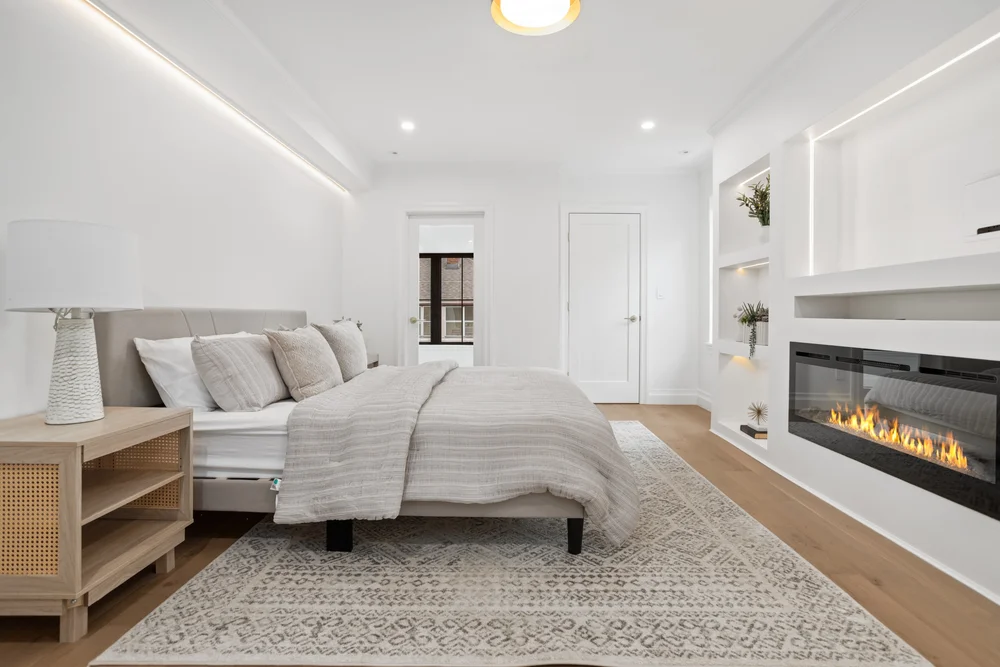
For those seeking an eco-friendly choice, hard-wax oils are made from natural ingredients and provide a durable, water-resistant surface. They are easy to repair and offer a low-sheen finish that can be customized with different colors and tints.
Each finish type has its own set of benefits and considerations, such as durability, maintenance requirements, environmental impact, and aesthetic outcomes. Ultimately, the finish should align with the homeowner's lifestyle and the specific demands of the space, ensuring the hardwood floor remains a lasting and beautiful feature of the home.
When selecting hardwood flooring, financial considerations play a pivotal role for both residential homeowners and professional builders. The cost of hardwood floors can vary significantly depending on the species of wood chosen, with options ranging from affordable domestic varieties to more expensive exotic woods. Understanding the balance between upfront costs and long-term value is crucial in making an informed decision.
Initial affordability does not always equate to the most cost-effective choice in the long run. Hardwoods such as oak, maple, and hickory are often favored for their durability and reasonable price point, making them a sensible investment for areas with high foot traffic. These species tend to withstand wear and tear better than softer woods, reducing the need for costly repairs or replacement over time.
Factors to Consider in Hardwood Flooring Selection
Moreover, the selection of hardwood flooring can have substantial implications for property resale value. High-quality, well-maintained hardwood floors are a sought-after feature in the real estate market. They can enhance the aesthetic appeal of a property and contribute to a higher resale price. Exotic hardwoods, while more expensive upfront, can offer unique grain patterns and colors that set a property apart, potentially leading to a stronger market interest and a better return on investment.
For builders and developers, the choice of hardwood flooring must also align with construction timelines and budget constraints. Partnering with reliable suppliers who offer a range of quality options at different price points can ensure that projects meet both aesthetic and financial objectives.
In summary, the selection of hardwood flooring should not be solely based on immediate costs. Consideration of the wood's durability, its impact on the property's long-term value, and its appeal to future buyers are essential factors in determining the true cost-effectiveness of the flooring choice. By carefully evaluating these aspects, homeowners and builders can make a selection that balances short-term financial outlay with long-term benefits.
Oak stands as a popular choice for hardwood flooring due to its inherent strength and longevity. With a higher Janka hardness rating, it resists wear and tear, making it ideal for high-traffic areas. Homeowners value oak's distinctive grain patterns which contribute to a timeless aesthetic while offering long-term durability.
Maple hardwood flooring offers a fine, consistent grain with a natural elegance that complements any interior design. Its light color palette provides a bright and airy feel to living spaces. As a dense wood species, maple is highly resistant to dents and scratches, ensuring a pristine look for years to come.
Walnut hardwood floors exude classic elegance with their rich, dark tones and unique character. This wood species adds a luxurious feel to any room while providing a strong surface that ages gracefully. Walnut's distinctive knots and swirls ensure that no two planks are identical, offering a bespoke look.
Ash wood flooring is not only durable and visually striking with its bold grain patterns, but it's also an eco-friendly option. Sourced from well-managed forests, it has a lower carbon footprint compared to other hardwoods. Ash's resilience and elasticity make it suitable for areas with variable humidity levels.


The most durable wood species for hardwood floors in high-traffic areas include hickory, hard maple, and white oak. These species offer superior hardness and resistance to wear, making them ideal for areas such as kitchens and hallways.
The choice of wood species can significantly impact the aesthetics of a home renovation project, as each species has unique grain patterns, colors, and textures. For example, walnut provides a rich, dark hue, while maple offers a lighter, more subtle grain, allowing homeowners and builders to select a wood that complements the desired ambiance and design scheme.
Professional builders should consider a hardwood flooring partners reliability, quality of materials, supply consistency, and ability to meet deadlines. Additionally, they should look for partners who offer a wide range of wood species and finishes to cater to diverse client preferences and ensure the flooring aligns with the overall project vision.